
Success Coaching & Habit Programs
There is a kind of meeting that produces energy and a kind that produces decisions. Only the second kind moves work. Our sessions in Success Coaching & Habit Programs are deliberately structured to end with a written outcome that someone owns before the room empties.
When a new client arrives with a stalled initiative, the first session rarely touches the initiative itself. We look instead at how choices were made, who owned them, and where the trail goes cold. That diagnostic habit shapes everything we deliver.

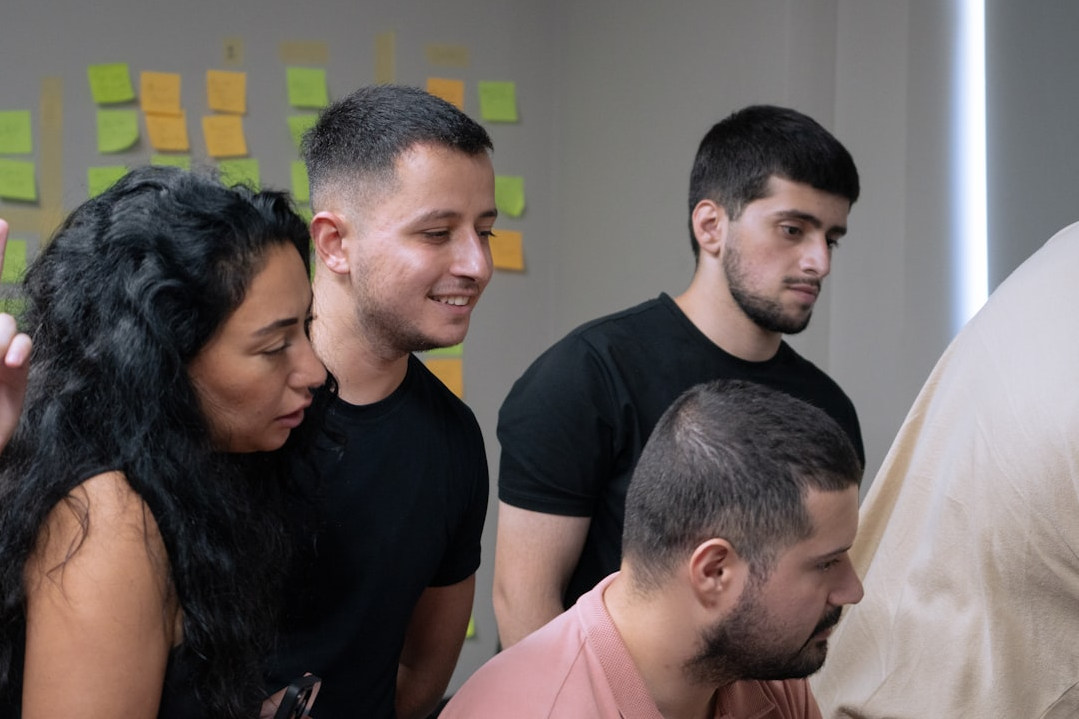

Weekly momentum studio
Weekly momentum studio frames habits and progress routines through a named lane 1.
Goal friction scan
Goal friction scan frames habits and progress routines through a named lane 2.
Accountability map
Accountability map frames habits and progress routines through a named lane 3.
Reflection sequence
Reflection sequence frames habits and progress routines through a named lane 4.
How It Works
Weekly momentum studio
The distance between a recommendation and its adoption is where most consulting quietly fails. We close it by involving the people who must live with the outcome early, and by writing recommendations in the language of the room that has to approve them.
Goal friction scan
Clients sometimes ask how we staff engagements. The answer is dull: senior people, few of them, the same ones from first call to final handoff. We do not run a pyramid, so nothing you hear in week one gets diluted by the time it reaches week nine.
Accountability map
Measurement is often asked for and rarely defined. Before we measure anything in Success Coaching & Habit Programs work, we agree what decision the number will change; a metric that changes no decision is decoration, and decoration is precisely what we are paid to remove.
Client voices
They gave our meeting a usable map instead of another polished fog.
The evidence trail changed how our teams handed decisions over.
Small rooms, sharp notes, and a plan we could operate.
Our Weekly momentum studio, Goal friction scan, Accountability map, Reflection sequence assume that your team is competent; otherwise you would not need a handoff, you would need a rescue. We design for the competent case: tight scope, clear records, and a rhythm that respects the other work your people already carry.
Risk registers fail when they become libraries. A risk that is written down and never revisited is a story, not a control. We review risks against real dates and real owners, and we retire the ones that never matured so the register stays honest.